
Filming in Peru Production Guide
A practical introduction for international film, television, documentary, commercial and branded-content teams.
Planning a Production in Peru
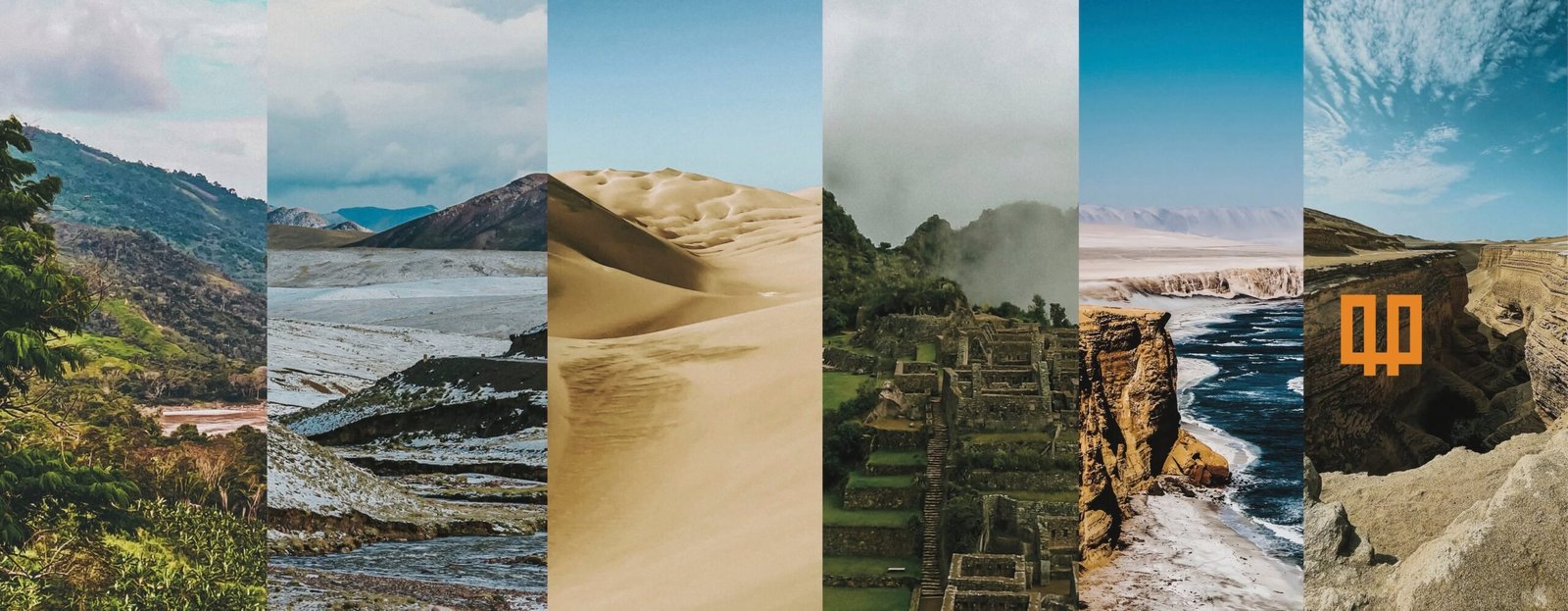
Peru gives productions access to an unusually broad range of environments: Pacific coastline, desert, colonial and contemporary cities, Andean valleys, snow-covered peaks, archaeological sites, villages and Amazon rainforest. The creative range is significant, but successful filming depends on understanding permits, travel, altitude, customs, crew structure and regional access before the schedule is locked.
APU Productions provides local production services for international features, television series, documentaries, commercials, branded content, music videos and photo shoots. We combine location knowledge with permitting, bilingual crews, equipment, customs, transportation, accommodation and complete on-the-ground production management.
What Types of Productions Can Peru Support
Peru can support projects ranging from small documentary units to large second-unit and feature-film operations. The appropriate production model depends on the brief, the locations and how much equipment or specialist personnel must arrive from abroad.
- Feature films and scripted television
- Documentary, factual and unscripted television
- Commercials and branded content
- Travel, culinary and lifestyle programming
- Music videos and fashion productions
- Corporate films and specialist industrial shoots
- Stills and editorial photography
Filming Permits in Peru
Permit requirements are determined by who controls the location and how the production intends to use it. Public streets, municipalities, archaeological sites, protected natural areas, airports, transport infrastructure and private properties may each involve different authorities and documentation.
A permit plan should begin with a confirmed location list, dates, crew and cast numbers, equipment, vehicles, aerial filming requirements, set dressing, special effects and any intended traffic or public-space control. Changes made late in preproduction can affect approvals and lead times.
APU maps each location to the appropriate authority, prepares the required applications and supporting documents, follows the approval process and coordinates with local stakeholders. Permissions are never treated as interchangeable: the process for a Lima street is different from the process for an archaeological site or national reserve.
Filming at Archaeological and Protected Locations
Peru's heritage and protected landscapes are among its greatest production assets, but they require a light operational footprint and close compliance with site rules. Crew size, equipment, operating hours, visitor movement, physical contact with structures and the commercial use of images can all be relevant to an application.
Machu Picchu requires particularly careful preparation. Access is controlled, transport is multi-stage and equipment must be planned around site restrictions. The safest approach is to establish the essential creative requirement first, then design the smallest practical crew and equipment package around it. Alternative Cusco-region locations can sometimes provide the required visual language with greater operational flexibility.
Bringing Film Equipment into Peru
Peru accepts ATA Carnets for the temporary importation of professional film equipment. A Carnet can simplify the movement of eligible equipment, but it must be prepared accurately and presented correctly at entry and departure. Serial numbers, values, packing lists, port of entry, onward travel and the person carrying or controlling the shipment should be checked before departure.
Some productions may instead use a local temporary-import process, particularly when the shipment or production structure is not suited to a Carnet. Small crews may be able to follow a different route depending on the equipment and immigration status. The correct method should be agreed before tickets and freight are confirmed.
APU coordinates ATA Carnet handling, temporary importation, customs documentation, air or sea freight, secure cargo handling and the local rental of equipment. Identifying items that are readily available in Peru can reduce freight costs and customs exposure.
Visas and Entry Requirements for Foreign Crews
Entry and work requirements depend on nationality, production type, role and length of stay. Journalist or artistic-production permissions may be relevant to some projects, while other productions require a different route. Immigration permission and customs treatment are related operational questions but should not be treated as the same process.
Crew lists, passport details, roles, travel dates and the purpose of the shoot should be reviewed early. APU coordinates with the relevant Peruvian authorities and consulates and advises each production on the documentation applicable to its circumstances. Final eligibility and approval remain with the competent authorities.
Local Crews and Equipment
Peru has experienced bilingual production personnel accustomed to working with international teams. Crews can be scaled from a local producer, fixer and camera assistant for a documentary to full production departments for feature, television and commercial work.
Most major camera systems and a broad range of lighting and grip equipment can be sourced locally. APU reviews the requested package, confirms availability and identifies early any specialist item that should travel with the incoming production. This avoids building a customs and freight plan around equipment that could be rented more efficiently in Lima.
Locations and Regional Logistics
Lima and the Coast
Lima combines contemporary districts, historic architecture, dense urban streets, coastal cliffs, industrial areas and a major international transport hub. South of the city, Ica and Paracas provide desert, dunes, vineyards, coastline and protected landscapes within a practical production route.
Cusco and the Andes
Cusco offers Inca and colonial architecture, mountain roads, valleys, villages and access to high-altitude landscapes. Scheduling must account for acclimatization, slower travel, changing weather and the physical demands placed on crew and equipment.
The Amazon
Iquitos and other Amazon locations provide rivers, rainforest, communities and exceptional natural environments. Production planning must account for boat travel, humidity, rain protection, communications, power, medical planning and the movement of equipment beyond the road network.
Southern Peru
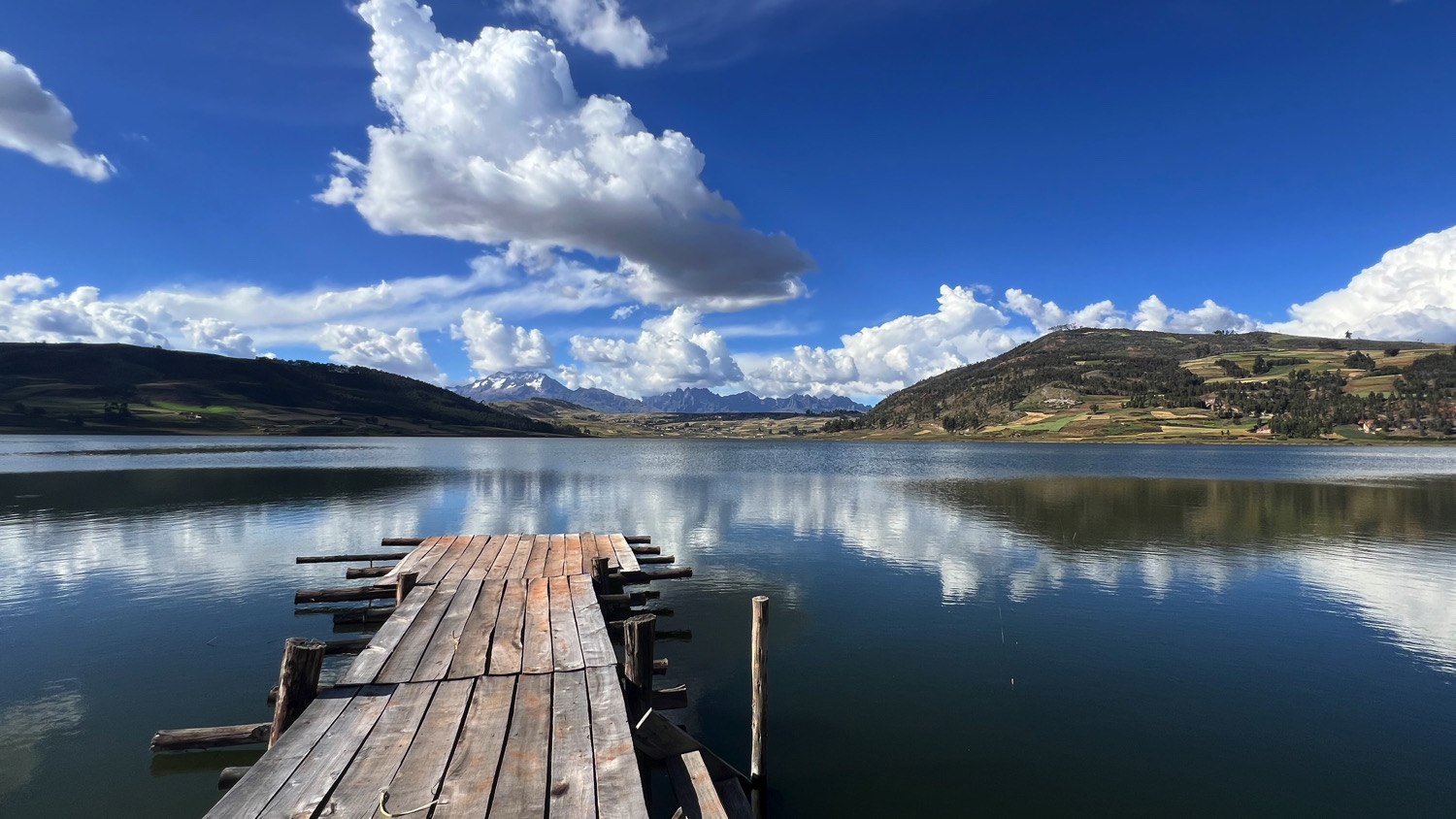
Arequipa, the Colca Canyon, Puno and Lake Titicaca combine volcanic landscapes, colonial architecture, high-altitude towns, agricultural areas and distinctive cultural settings. Multi-region routes are possible, but travel time and altitude should be built honestly into the schedule.
Weather and the Best Time to Film
Peru does not have one national filming season. Coastal, Andean and Amazon conditions follow different patterns, and the best period depends on the look the production needs.
Coast: The warmer coastal period generally falls between December and March. Lima is often cloudier and cooler during the middle of the year, which can provide soft, consistent light.
Andes: The drier period is generally from approximately April through October. The wetter season can produce greener landscapes, cloud formations and dramatic weather, but also increases access and continuity risks.
Amazon: Rain is possible throughout the year. Seasonal rainfall and river levels affect access, landscapes and the type of river transport available.
Seasonal patterns are planning guides, not guarantees. A location-specific weather and access assessment should be completed for the proposed dates.
Production Costs in Peru
A credible production budget cannot be reduced to one daily rate. The principal cost drivers are crew size, shoot length, equipment, number of regions, internal flights, ground transport, accommodation, permits, casting, security, customs and the complexity of the locations.
Peru can provide competitive local costs and high production value, particularly when local crew and equipment are used effectively. However, remote jungle, high-altitude, archaeological or multi-region shoots require more logistics than a Lima-based production. APU prepares project-specific estimates and can compare route, crew and equipment options before the final budget is approved.
Health Safety and Altitude
High-altitude work should include acclimatization and a realistic pace, particularly in Cusco, Puno and remote Andean locations. The production plan may require medical support, oxygen, hydration protocols, weather protection and contingency time. Amazon work introduces different considerations, including heat, humidity, insects, water transport and distance from medical facilities.
Risk planning should reflect the actual crew, locations and activities. APU coordinates local suppliers and develops logistics around the production's safety requirements; specialist medical or security advice can be incorporated when the project demands it.
Productions Supported by APU
APU Productions has provided production services in Peru for international projects including Transformers Rise of the Beasts, Paddington in Peru, Dora and the Lost City of Gold, Ancient Apocalypse, Chef's Table, Street Food Latin America and Ines del Alma Mia. Our work has covered major cities, heritage sites, deserts, high-altitude routes, the Amazon and complex multi-region schedules.
The value of that experience is practical: understanding which questions must be answered early, where a schedule needs protection and how to connect international expectations with local procedures and conditions.
What to Send for an Initial Production Assessment
To prepare an initial feasibility review or budget, send as much of the following information as is available:
- Project format and intended use
- Proposed dates and number of shoot days
- Crew and cast estimates
- Location references or a preliminary route
- Camera, lighting, grip and specialist equipment requirements
- Drone, vehicle, marine, aerial, pyrotechnic or special-effects requirements
- Expected deliverables and any client or studio compliance requirements
- Budget range or production assumptions, when available