
PERU, READY FOR PRODUCTION
Production Advantages
Built for Today’s Production Landscape
Production today demands more. Budgets are tighter, timelines are compressed, and expectations remain high.
Peru offers a practical solution combining cost efficiency, diverse locations, and reliable production infrastructure. This allows productions to adapt to current demands without compromising creative ambition.
Reverse climate
Peru’s reverse seasons allow productions to capture winter or summer conditions opposite to the northern hemisphere, offering greater scheduling flexibility and creative control.
Diverse Locations, Production-Ready
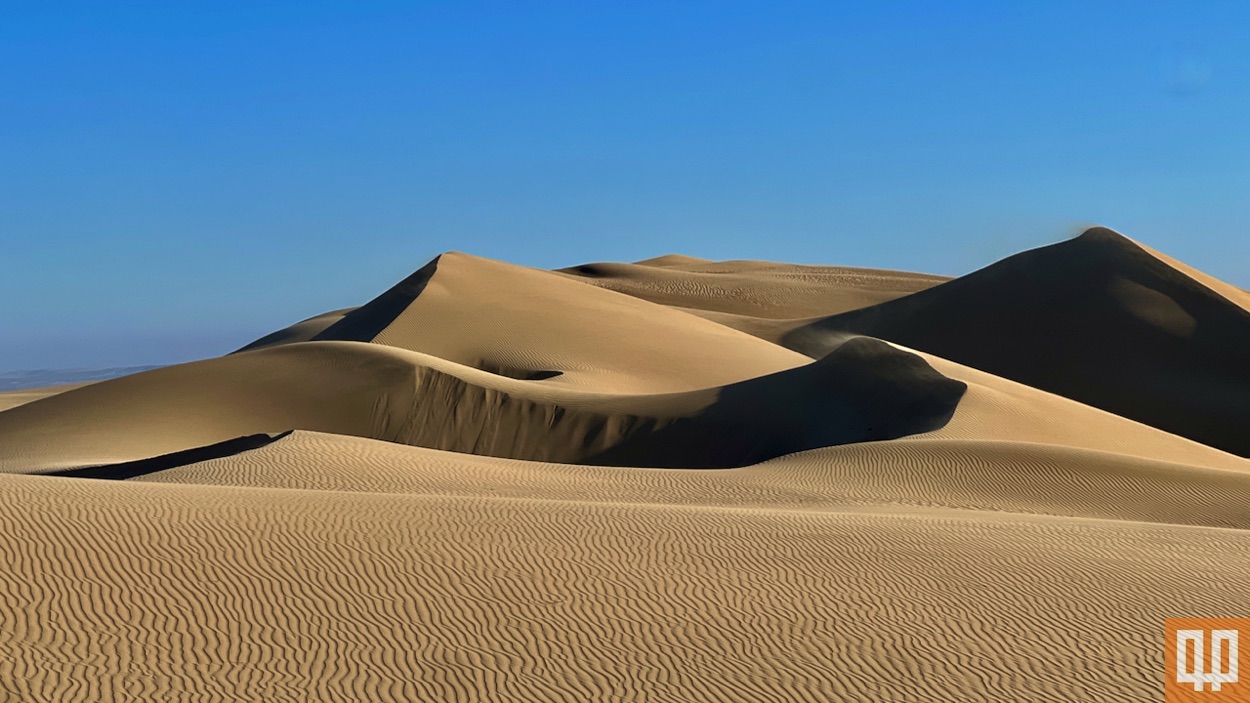
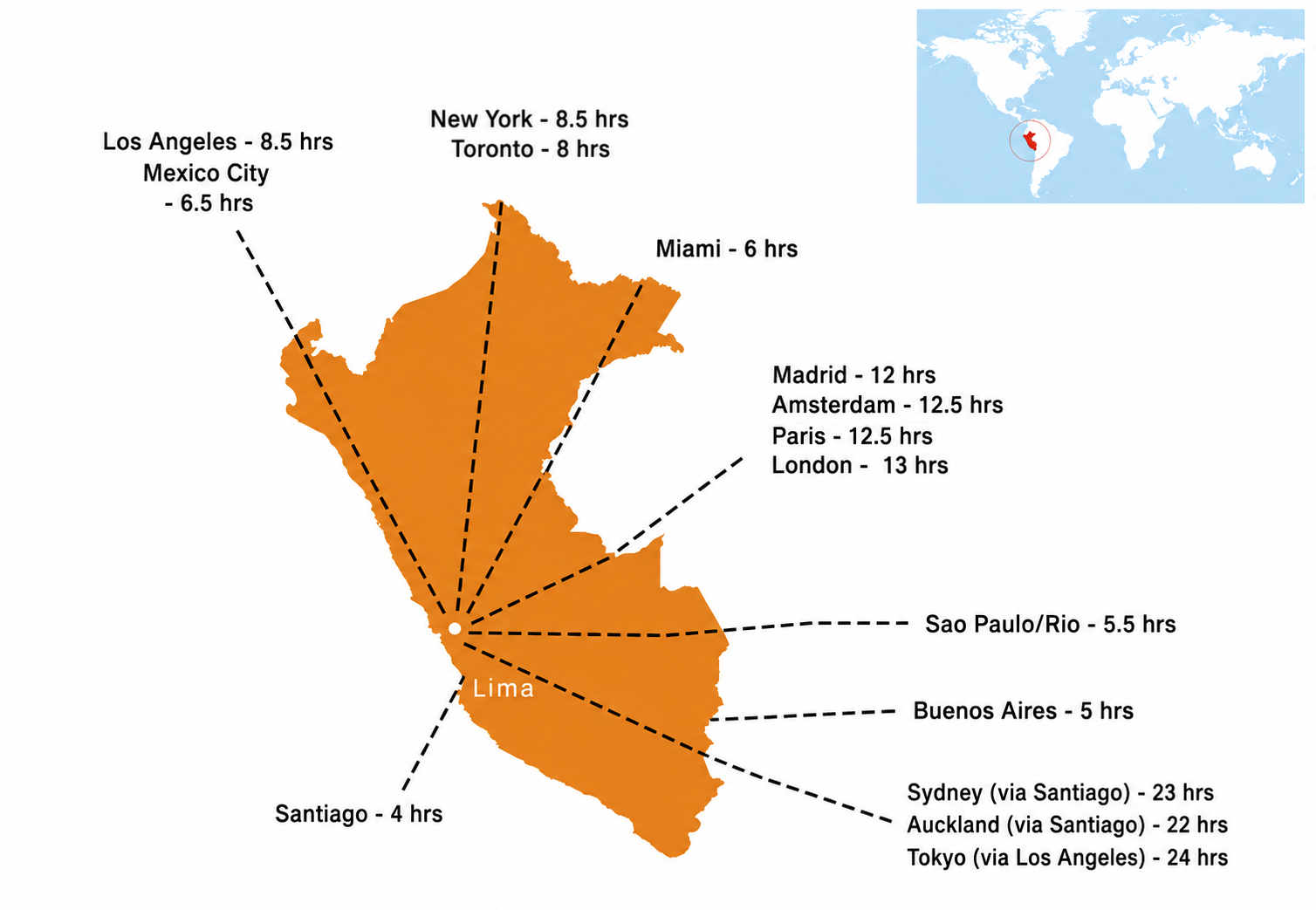
From coastal deserts, colonial cities to the Andes and the Amazon, Peru offers a wide range of environments, all accessible and viable for production.
Time Zone Alignment
Operating within a US-friendly time zone, Peru allows for seamless communication with teams based in North America and other international hubs.
Cost Efficiency Without Compromise
A favorable exchange rate and competitive local costs enable productions to achieve high production value while optimizing budgets. This allows resources to be used more effectively, maximizing on-screen results.
Efficient Working Practices
Peru operates with established industry practices, including 12-hour production days, allowing for efficient scheduling and predictable workflows.
Reliable Production Environment
Peru offers a stable and established production ecosystem, with experienced crews, consistent workflows, and growing infrastructure supporting international projects.
Flight Times
Well Connected for International Production
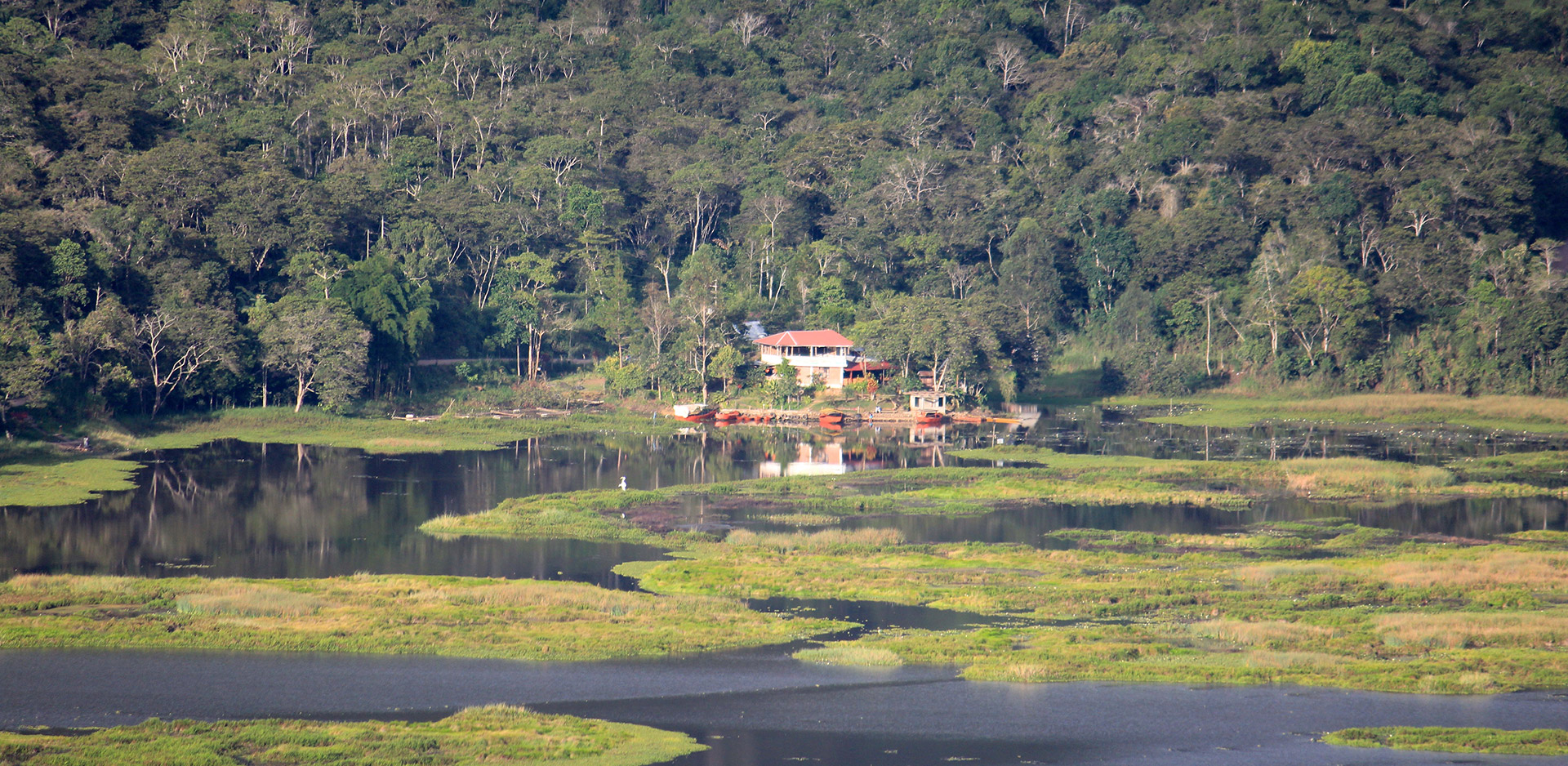
Peru is easily accessible from major production hubs, with direct flights from Los Angeles, North America, and key international cities. Once in the country, most domestic locations can be reached within a few hours, enabling efficient multi-location shoots.
Practical Questions About Filming in Peru
Do international productions need permits to film in Peru?
Yes, many public, historic, archaeological, protected and privately controlled locations require authorization before filming. The authority, documentation and lead time depend on the location and the nature of the production. A street shoot in Lima, filming in a national reserve and working at an archaeological site follow different processes. APU identifies the relevant authorities, prepares the applications and coordinates locally so that permit requirements are built into the schedule from the beginning.
Can professional film equipment enter Peru with an ATA Carnet?
Yes. Peru accepts ATA Carnets for the temporary importation of professional film equipment. Depending on the equipment, shipment and production model, a local temporary-import procedure may also be appropriate. Equipment arriving as excess baggage and equipment shipped as cargo are subject to different customs procedures and processing times. APU coordinates documentation, freight, customs clearance and secure handling before arrival, helping productions select the appropriate import method and avoid preventable delays at the border.
What visas do foreign film crews require?
The correct immigration route depends on the crew member's nationality, role, length of stay and type of production. Journalist or artistic-production permissions may be relevant in some cases, while other projects may follow a different entry process. Requirements should be confirmed before travel rather than assumed at the airport. APU reviews the project structure and coordinates the applicable process with the relevant Peruvian authorities and consulates.
How do productions film at Machu Picchu?
Filming at Machu Picchu requires careful planning, formal authorization and a production approach adapted to a protected archaeological site. Crew size, equipment, access routes, operating hours and the intended use of the material can affect what is permitted. APU has experience coordinating productions in Cusco and at sensitive heritage locations, including crew movement, equipment transport, local logistics and permit preparation.
When is the best time to film in Cusco and the Amazon?
The best period depends on the visual brief. Cusco and the Andes generally offer drier conditions and clearer mountain access from approximately April through October, while the wetter months can provide greener landscapes and more dramatic skies. The Amazon is filmable throughout the year, but rainfall, river levels, humidity and access conditions change by season. APU evaluates weather, access and visual continuity for each location rather than applying one calendar to the entire country.
How much does film production in Peru cost?
There is no useful single daily figure because budgets vary significantly by format, crew size, equipment, location, travel, permit requirements and the complexity of the logistics. Peru can offer strong production value and competitive local costs, but remote Amazon, high-altitude or archaeological locations require additional planning. APU prepares project-specific estimates so producers can compare creative options and understand the cost drivers before committing to a route.
Which international productions have filmed in Peru with local production support?
APU Productions has supported international feature films, television series, documentaries, commercials, travel programs and branded content throughout Peru. Selected credits include Transformers Rise of the Beasts, Paddington in Peru, Dora and the Lost City of Gold, Ancient Apocalypse, Chef's Table, Street Food Latin America and Ines del Alma Mia. These projects have involved locations ranging from Lima and the coast to Cusco, Machu Picchu, the high Andes and the Amazon.