

FEATURED LOCATION: JUNIN LAKE
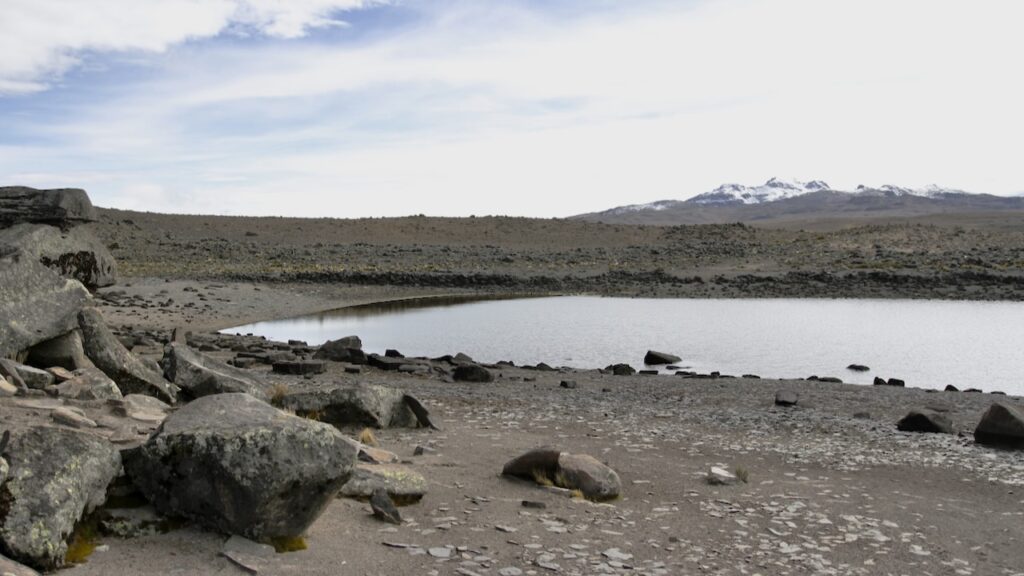
Lake Junin or Chinchaycocha (possibly from Quechua chincha, chinchay north, northern, chinchay ocelot, qucha lake, lagoon, "northern lake" or "ocelot lake") is the largest lake entirely within Peruvian territory. Even though Lake Titicaca has a much larger area, its eastern half is located on Bolivian territory. Lake Junin is an important birdwatching destination in the country.





Lago Junín – High-Andean Wetland & Cinematic Waterscape | Junín, Peru
Lago Junín (also known as Chinchaycocha) is one of Peru’s most striking high-altitude lakes, sitting at around 4,082 m above sea level on the central Andean plateau. It’s the largest lake entirely within Peru and the second largest in the country after Lake Titicaca, making it a uniquely powerful visual setting for film projects that seek broad horizons, rich ecology and remote, high-Andean atmosphere.
Expansive Waterscape & Landscape Character
Vast Water Canvas
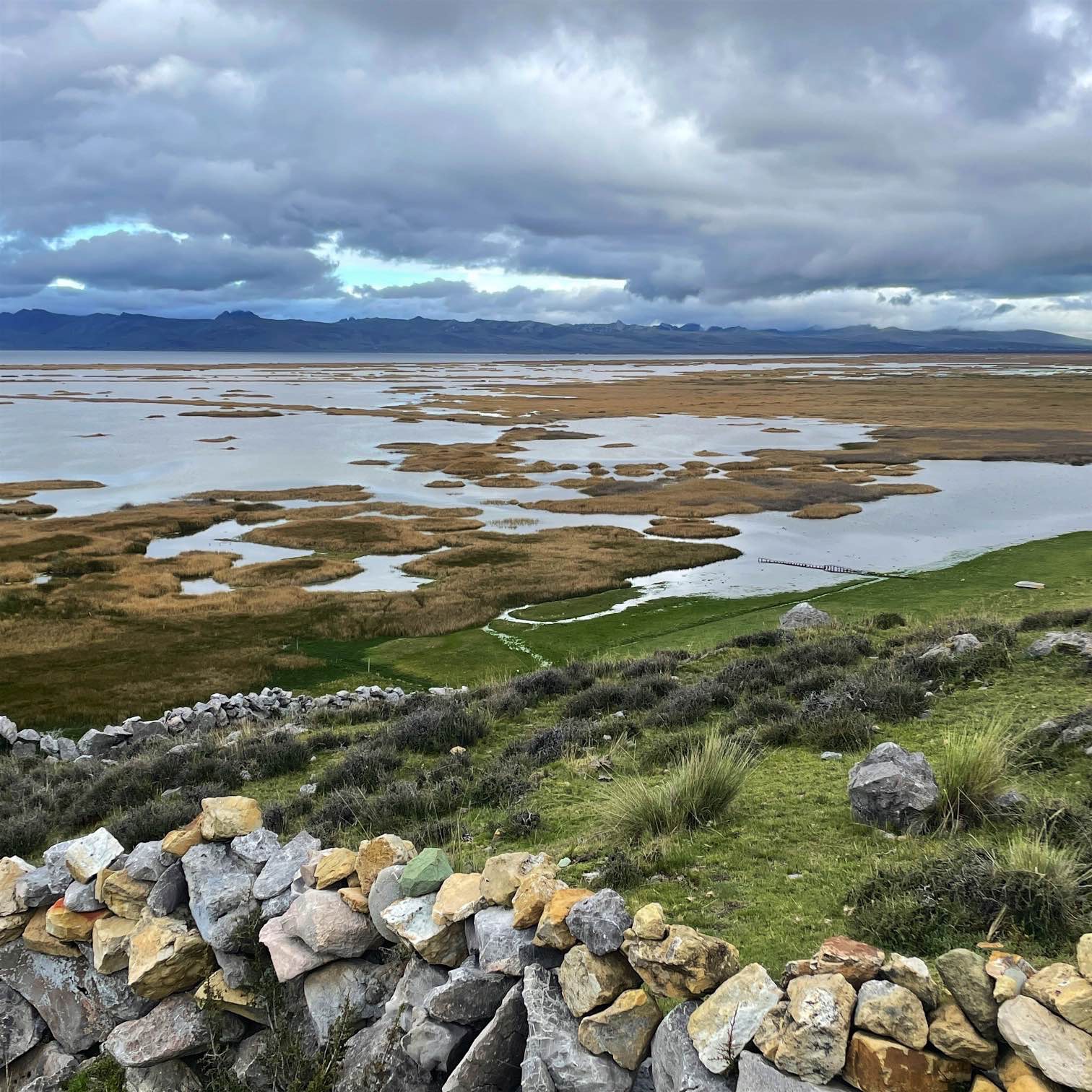
Lago Junín stretches across roughly 529 km² — over 78 km long and up to 16 km wide at its broadest points — forming a dramatic inland sea in the high Andes. Its irregular shoreline winds through expansive totorales and bofedales (wetlands and high puna grasslands), providing shifting textures and moods as light changes throughout the day.
High-Altitude Setting
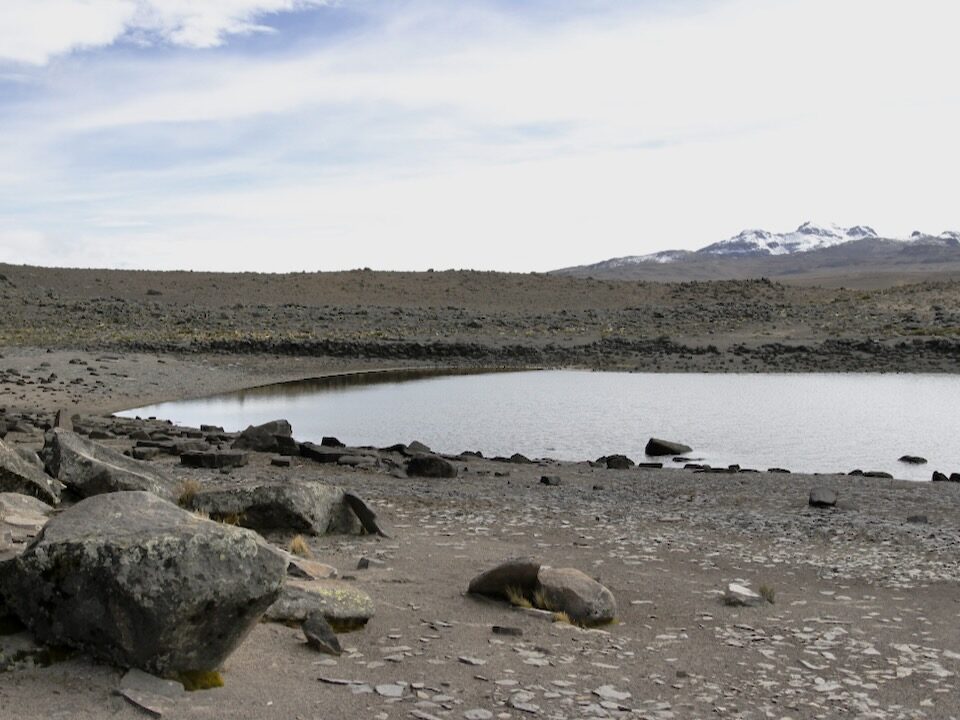
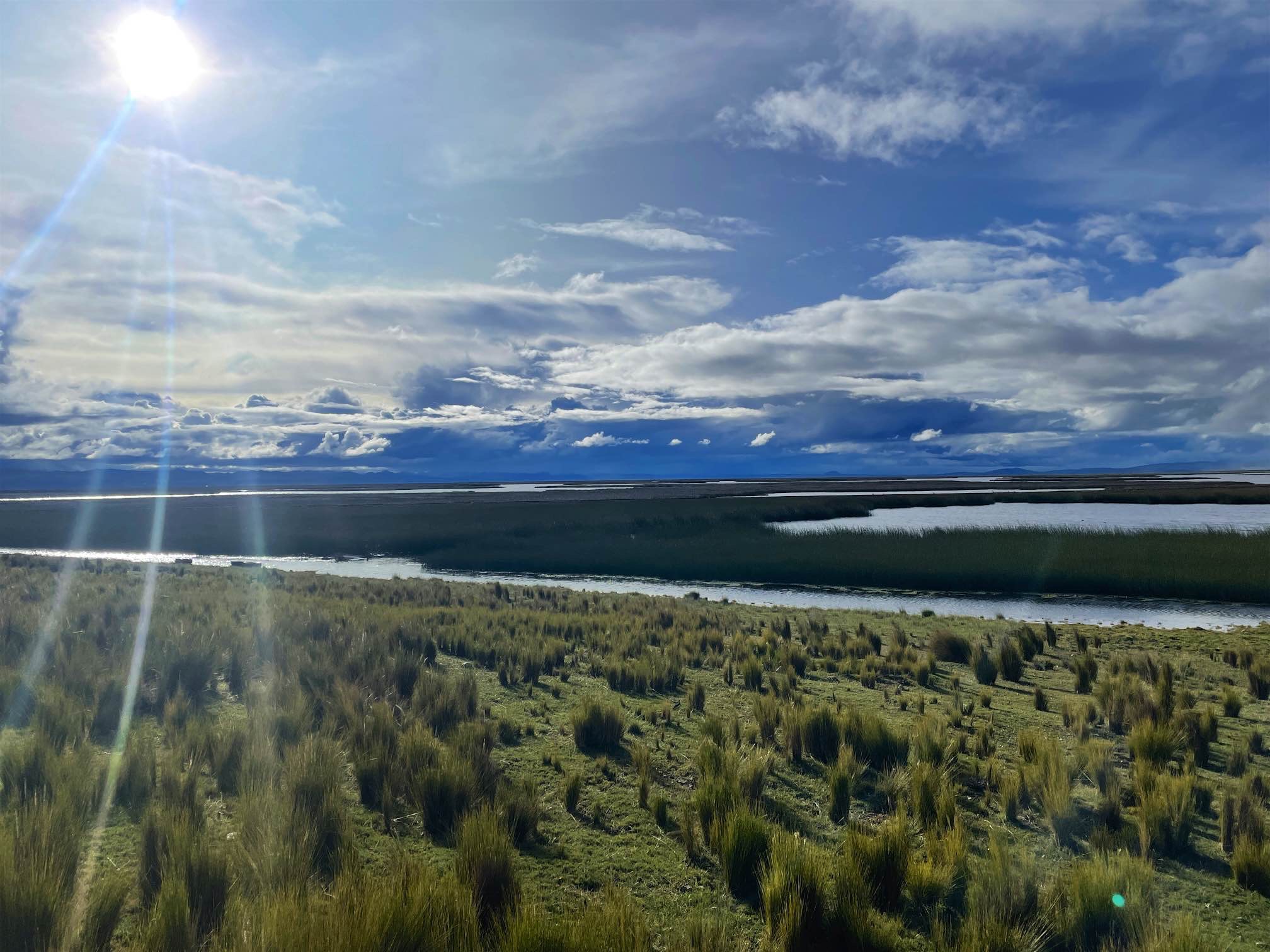
Perched above 4,000 m, the lake is framed by Andean grasslands, scattered hills and distant peaks, giving scenes a broad sense of scale, isolation and pristine wilderness. Its elevated location also produces striking light quality — crisp blues and cool reflections — ideal for aerials and wide-format cinematography.
Ecology & Wildlife for Visual Storytelling
Iconic Avifauna
Lago Junín is an important birdwatching destination, home to dozens of species including several endemics such as the endangered Junín rail and Junín grebe — rare birds that bring life and color to the lake’s reed-lined edges.
Rich Wetland Flora
The margins teem with tall totora reeds and wetland grasses, which ripple dramatically in Andean winds. These habitats create dynamic foregrounds and movement in shots and serve as natural staging for wildlife or contemplative environmental sequences.
Endemic & Threatened Species
Beyond birds, the lake and surrounding puna support unique wildlife — from endemic high-Andean amphibians like the Lake Junín frog to small mammals and the occasional vizcacha — enriching the location with biodiversity narratives.
Atmosphere, Light & Mood
-
Morning reflections: Calm waters at sunrise act as natural mirrors, perfect for wide scenic establishing shots with dramatic mountain silhouettes.
-
Bofedal depth: The wetland edges create shifting tonalities of green, gold and ochre, ideal for time-lapse and golden-hour sequences.
-
Wind & wildlife sounds: Natural ambient sound — from lapping waves to bird calls — enhances soundscape richness for immersive environmental sequences.
Filming Considerations
-
Remote environment: Lago Junín is remote and wide; regular vehicles can access key vantage points, especially along the reserve’s quiet shorelines.
-
Altitude acclimatization: At over 4,000 m, crews should acclimate gradually and monitor for altitude effects among cast and crew.
-
Seasonal shifts: The wet season (November–April) can raise water levels and create large connected wetlands, while the dry season (May–October) brings clearer light and more stable conditions for aerial and long-range shooting.
Why Filmmakers Choose Lago Junín
Lago Junín delivers a unique high-Andean water world — a vast, open lake against sweeping puna plains and distant mountain backdrops. Because of its rich birdlife, dramatic wetlands and expansive lake surface, it’s a powerful location for:
-
Epic establishing shots that capture the scale of the Andes.
-
Documentary and conservation narratives on high-altitude ecosystems.
-
Nature and wildlife sequences with rare endemic species.
-
Mood-driven landscapes that combine water, wind and light.
Lago Junín’s blend of sheer scale, ecological richness and high-altitude atmosphere makes it a truly cinematic Andean setting — an open canvas for storytelling that feels both vast and intimately tied to life on the puna.