
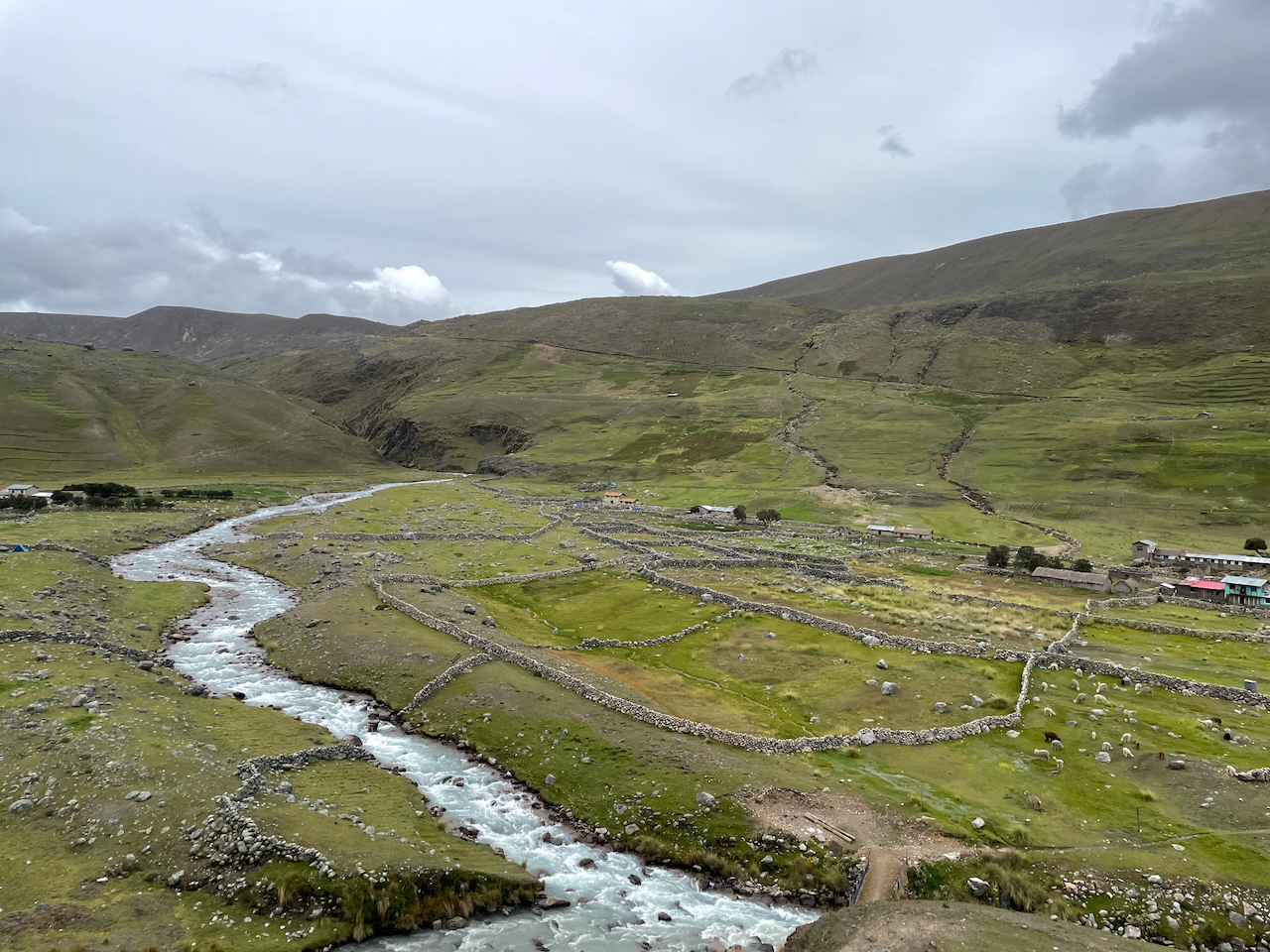
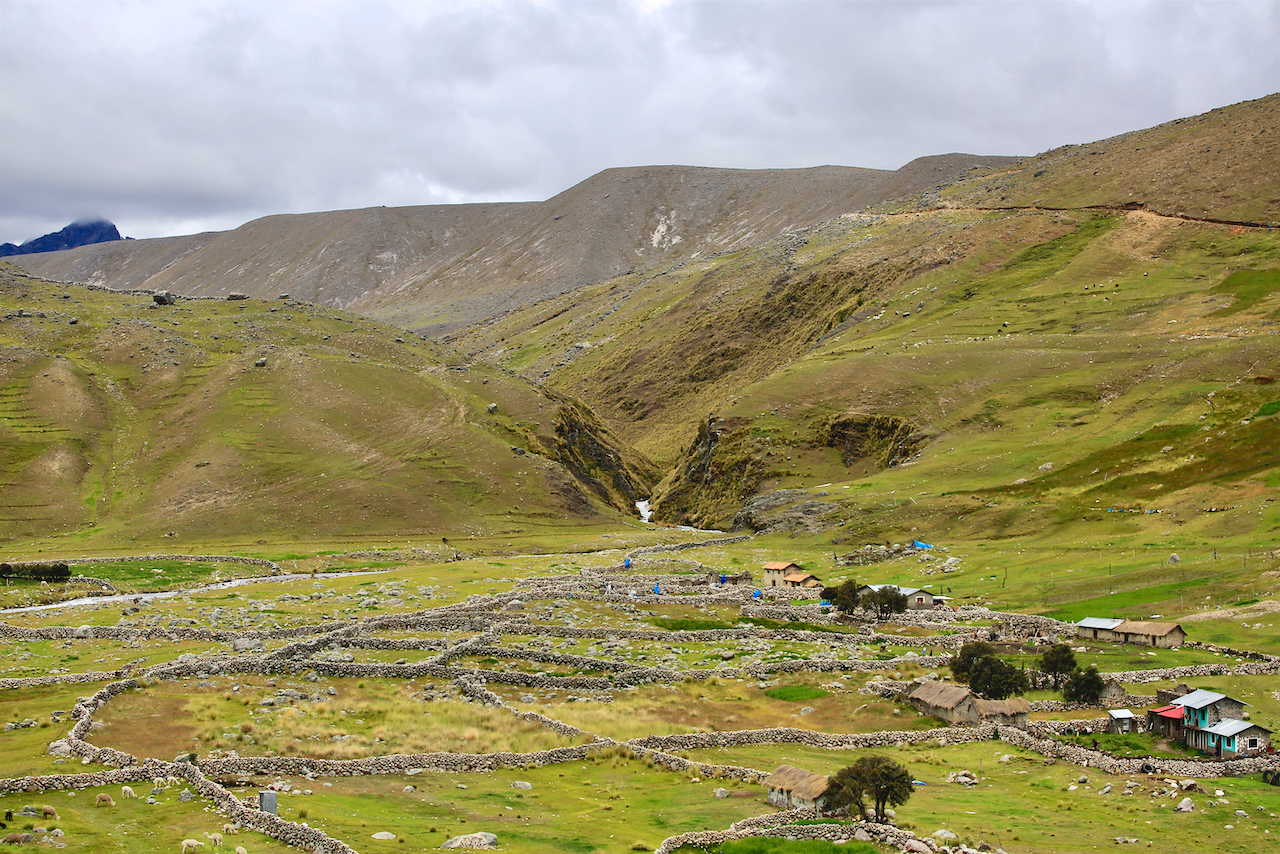
Mahuayani is an incredible little village on the Interoceanic Road between Cusco and Brazil. This village serves as a stopping place for the yearly pilgrimage to the festival of Ccoyur Rit'i. It is surrounded by small rivers and situated next to impressive snow-capped mountains.
Mahuayani Village – Andean Life, Sacred Trails & Mountain Backdrops | Cusco, Peru
Mahuayani is a remote high-Andean village in the Ocongate District of Quispicanchi Province, located at about 4,200 m above sea level in the southern Peruvian Andes. Though small in population, this traditional village sits against the dramatic slopes of the Vilcanota mountain range, giving it a powerful sense of place for cinematic storytelling that blends community life, mountain culture, sacred trails and rugged alpine scenery.
Village Character & Visual Texture
Traditional Andean Community
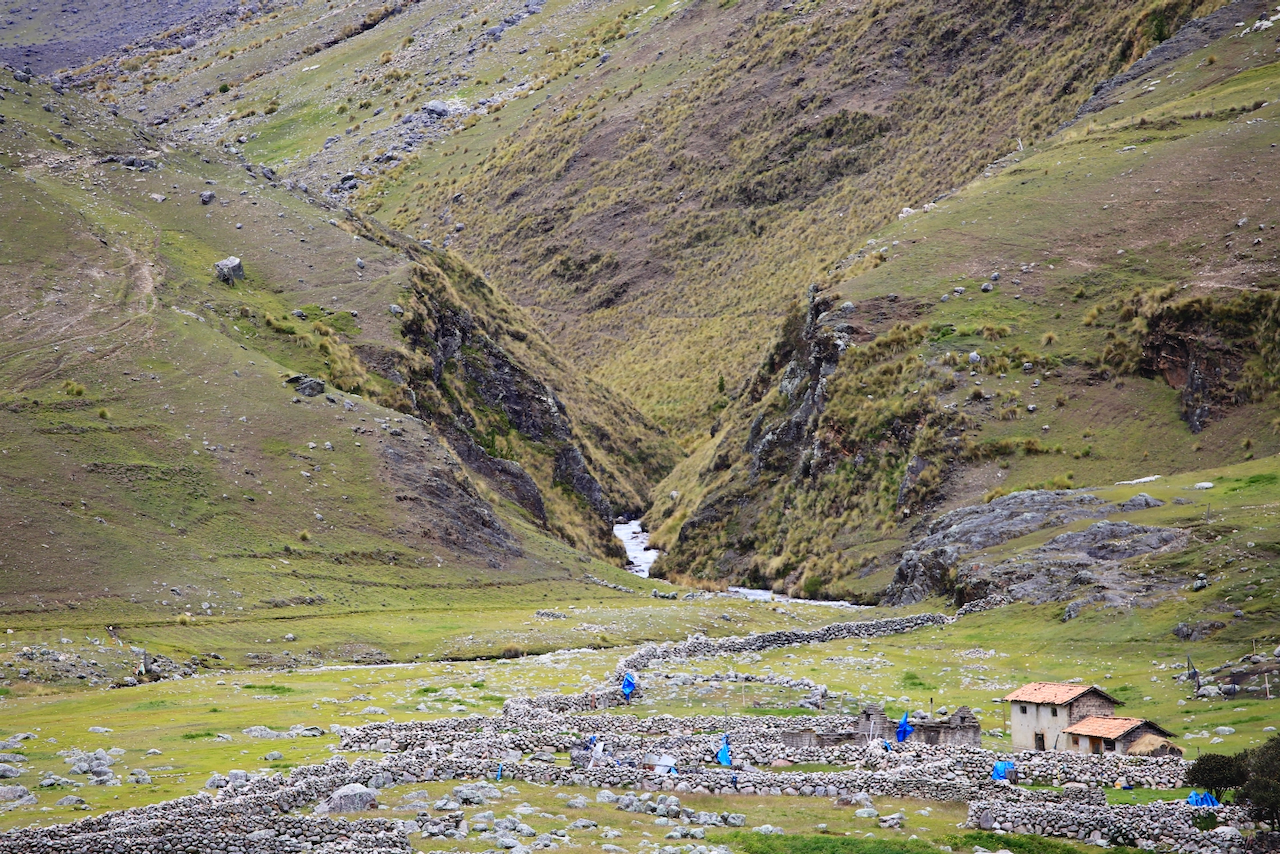
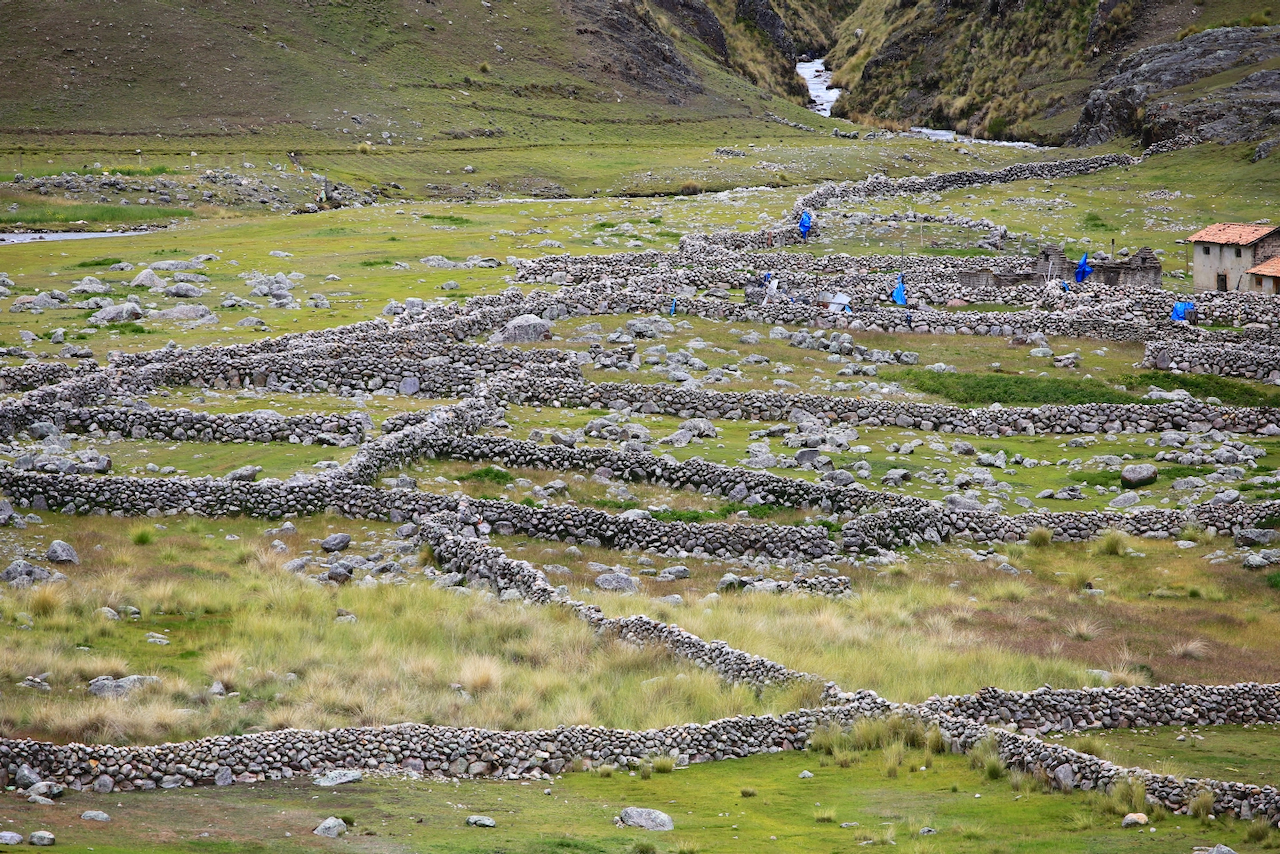
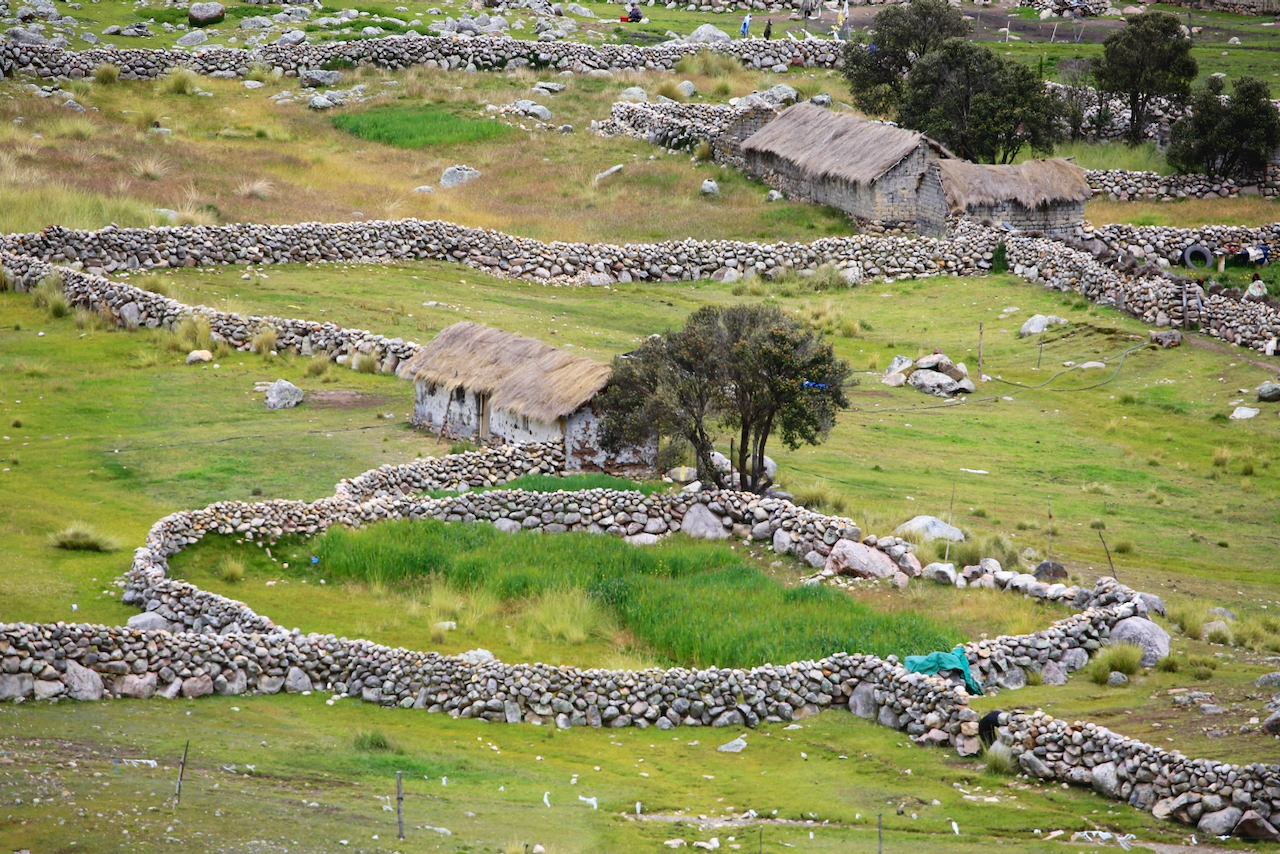
Mahuayani is a rural settlement of fewer than 300 residents where agricultural and herding lifestyles still dominate daily life — from tending livestock to tending high-Andean crops and alpaca flocks. This setting offers authentic people-in-place scenes that are rich in cultural texture and natural rhythm.
Dramatic Mountain Backdrops
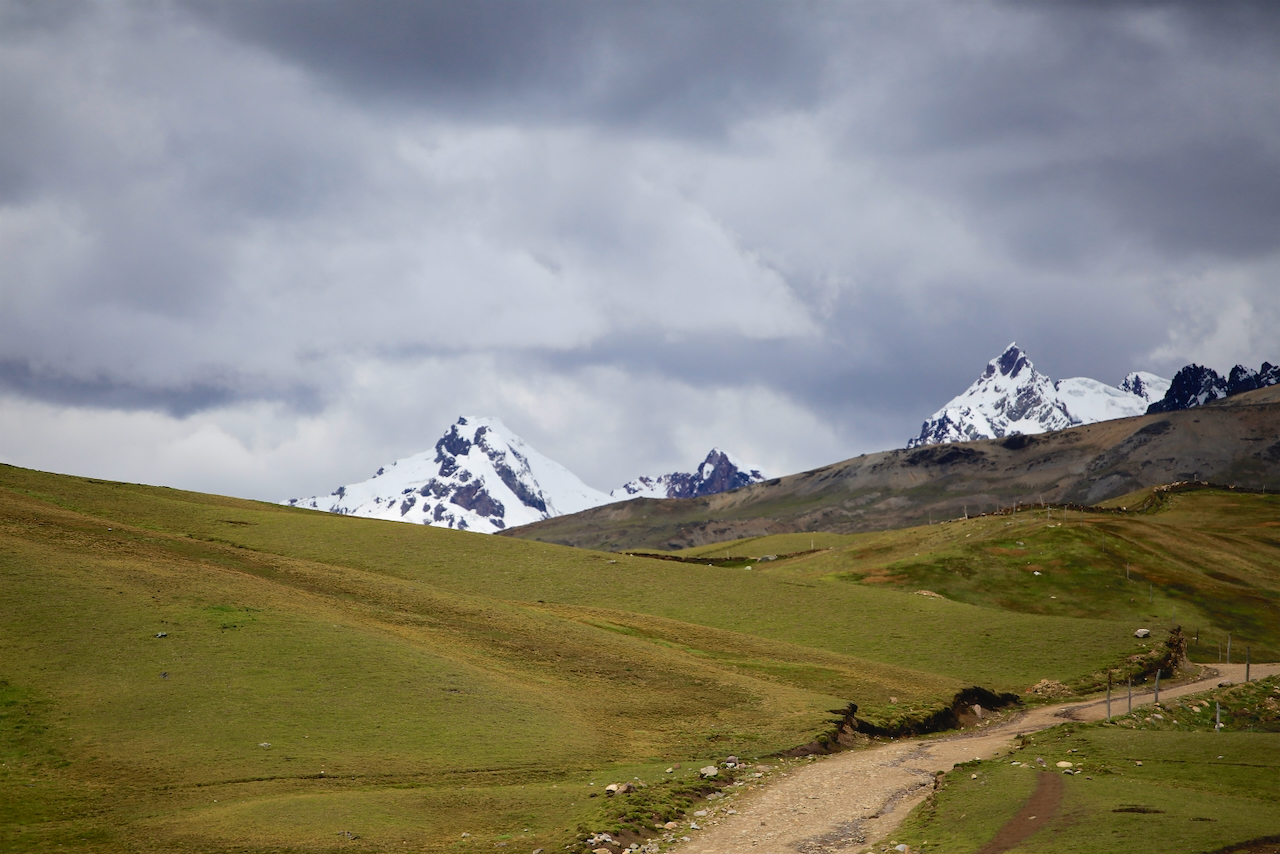
Towering peaks such as Vilacirca (~4,800 m) and Yuracjaja (~4,600 m) rise just kilometres from the village, creating a deeply cinematic mountain horizon that shifts with weather and light — perfect for establishing shots, time-lapses, and wide panoramic coverage that emphasizes scale and remoteness.
Sacred Routes & Festive Pilgrimage
Pilgrimage Hub for Qoyllur Rit’i
Mahuayani is the traditional starting point for the annual Qoyllur Rit’i pilgrimage (“star snow” in Quechua), one of the largest indigenous religious events in the Andes — drawing tens of thousands of pilgrims to the Sinakara/Sinakara sanctuary in the foothills of Ausangate. UNESCO recognizes this pilgrimage as Intangible Cultural Heritage due to its deep spiritual meaning and living tradition.
Pilgrim Trails & Ritual Landscapes
The rugged trail from Mahuayani to the festival’s high-alpine sanctuary gains over 600–700 m in elevation as it climbs through ceremonial waypoints, cross apachetas (stone cairns), and sacred passes — offering rich sequences for narrative journeys, ritual processions, and cultural documentary work.
Surrounding Natural Features
High-Andean Plains & Puna Grasslands
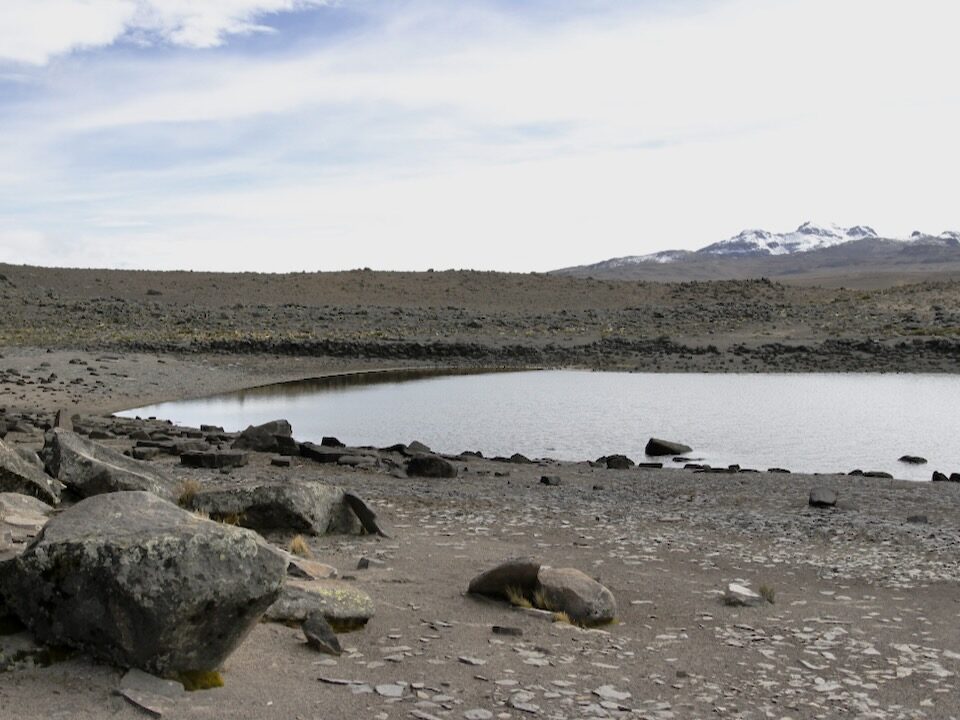
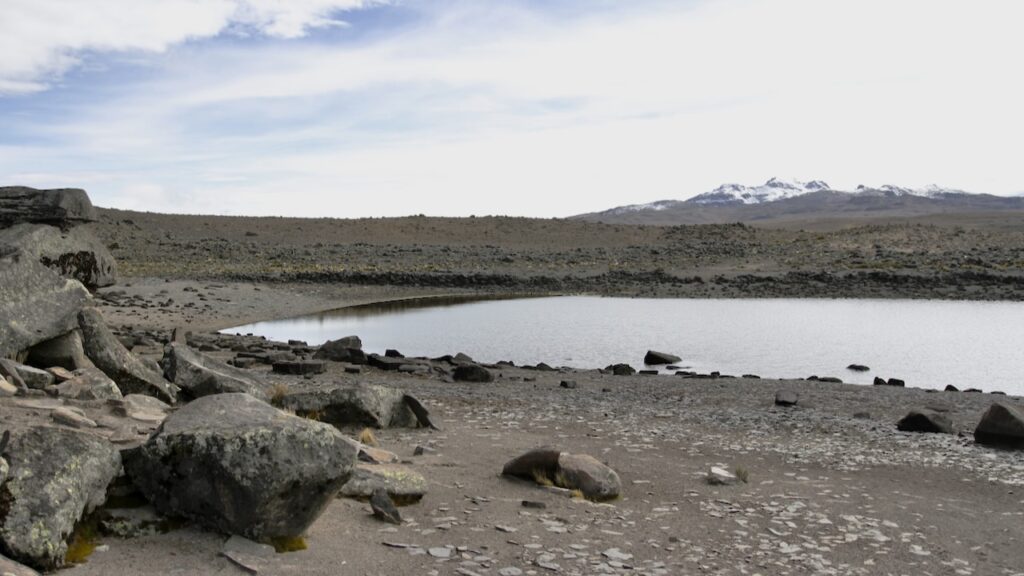
Surrounding Mahuayani are sweeping puna grasslands, glacial moraines and valley floors that unfold into distant snow-topped peaks. These broad, open landscapes are excellent for wide cinematic vistas that contrast the human presence with immense, quiet nature. (Mapcarta)
Rising Peaks & Snowfields
On clear days, the higher peaks of the Vilcanota range dominate the skyline, offering dramatic alpine backdrops for drone shots and panoramic sequences that capture the raw scale and ancient geology of the Andes.
Atmosphere & Filming Potential
-
Cultural immersion: Scenes of daily village life, traditional dress, alpaca herding and communal work add authentic human elements to landscape storytelling.
-
Spiritual & ritual energy: The Qoyllur Rit’i pilgrimage offers dynamic movement, ceremonial costumes, music, and the interplay of spiritual expression with monumental mountain scenery.
-
High-altitude mood: Light quality at these elevations is crisp and contrasts sharply between sunlit peaks and deep valley shadows — ideal for dramatic cinematography.
Practical Filming Notes
-
Altitude & access: At ~4,200 m, careful acclimatization is essential for cast and crew; roads from Cusco typically require 4×4 transport and thoughtful logistical planning to reach the village and hike into nearby high terrain.
-
Seasonality: The pilgrimage season (late May–June, centered around Corpus Christi) brings cultural intensity and dynamic visuals, while the rest of the year offers quieter landscapes and community life in high-Andean seasons.
-
Weather shifts: Mountain weather can change rapidly; plan for strong sunlight, wind and cold conditions — especially at dawn and dusk.
Why Filmmakers Love Mahuayani
Mahuayani Village and its surroundings combine authentic high-Andean human experience with spectacular mountain landscapes and sacred ritual journeys. Whether capturing intimate community moments, festival processions, or vast alpine panoramas, this location offers a compelling blend of culture, color, and cinematic scale — making it a powerful backdrop for film projects with narrative, documentary, or visual exploration priorities.