




Patapampa Pass – Mirador de Volcanes & High-Andean Lakes
At nearly 4,900 m above sea level, the Patapampa Pass (also known locally as the Mirador de los Volcanes) marks the highest point on the paved road linking the city of Arequipa with Chivay and the Colca Valley. From here, the towering chain of southern Peru’s iconic volcanoes and snow-capped peaks unfolds in a breathtaking panorama — a dramatic vista that’s become a favorite backdrop for commercials, features, and landscape sequences.
This remote Andean high-plateau setting delivers stark, otherworldly beauty: volcanic cones like Ampato (6,288 m), Hualca Hualca (6,025 m) and Sabancaya (5,976 m), along with others in the Cordillera Occidental, rise above the arid altiplano, often capped in snow against vast skies.
Key Visual Features
Mirador de los Volcanes – Volcano Lookout
At the actual lookout point you get sweeping, unobstructed views of the volcanic skyline. On clear days, you can count eight separate volcanoes standing against the horizon — an exceptional natural composition for establishing shots and wide landscape cinematography.
High-Andean Lakes & Surreal Landscape (5-10 min from the Lookout)
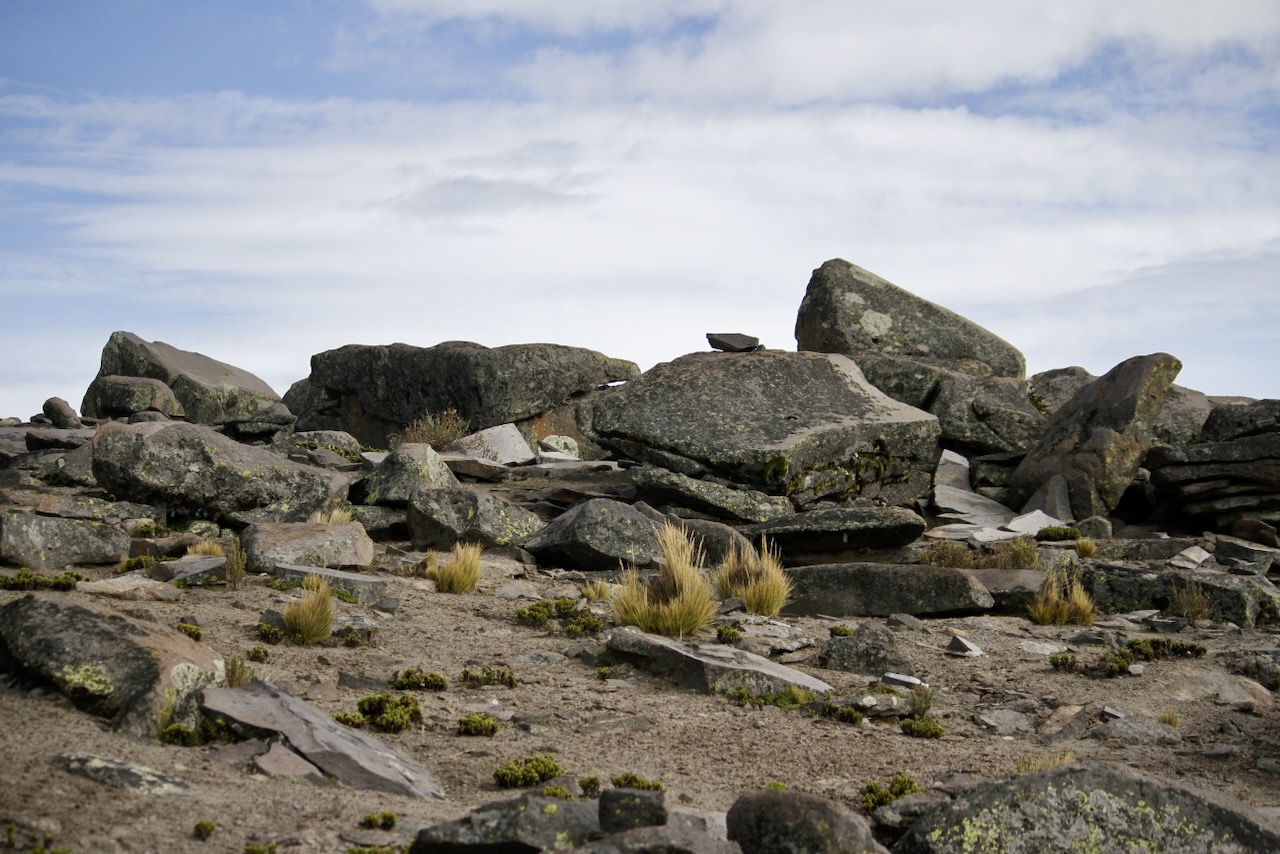
Just a short drive from the main viewpoint (typically under 5 minutes), the terrain transitions to a unique wetland landscape dotted with small high-altitude lakes (locally sometimes called lagunillas). These serene water bodies reflect alpine skies and volcanic silhouettes — creating mirror-like surfaces that contrast strikingly with the red Allpa soil, rock formations and wind-sculpted grasses. Here, the surrounding snow-capped giants soar overhead, giving scenes a surreal, almost alien quality that’s ideal for narrative landscapes, moments of reflection, or dramatic establishing shots.
Character & Atmosphere
- High altitude drama — the landscape feels vast and elemental, with crisp air and clear light that enhances color and contrast.
- Sparse vegetation — the harsh conditions above 4,800 m result in a raw, rocky terrain punctuated by low shrubs, yareta mats and natural stone formations.
- Cultural touches — traditional Andean artisan stalls are often present at the main lookout, adding a human element without distracting from the wilderness.
- Dynamic weather — be prepared for rapidly changing skies; dramatic clouds and light shifts can create cinematic moments throughout the day.
Practical Notes for Filming
- Altitude awareness: Due to the high elevation, camera crews and talent should acclimatize gradually and schedule rest breaks. Breathable oxygen and hydration are essential.
- Light & timing: Early morning and late afternoon golden hour deliver the most dramatic shadows on the volcanic contours and mirror-like reflections in the lakes.
This region’s stark contrasts, immense scale, and volcanic silhouettes make it one of Peru’s most compelling natural backdrops — perfect for breathtaking landscape shots, immersive environmental sequences, or dramatic outdoor storytelling.