





Pato Canyon – Cañón del Pato | Huaraz & Callejón de Huaylas
Nestled at the northern gateway of Peru’s Callejón de Huaylas, Pato Canyon (Cañón del Pato) is one of the Andes’ most dramatic geological corridors — where the Cordillera Blanca and Cordillera Negra almost touch, creating an epic backdrop of plunging rock walls, narrow gorges and a wild river carving its way through the mountains.
Epic Geology & Visual Character
Narrow Gorge & Towering Walls
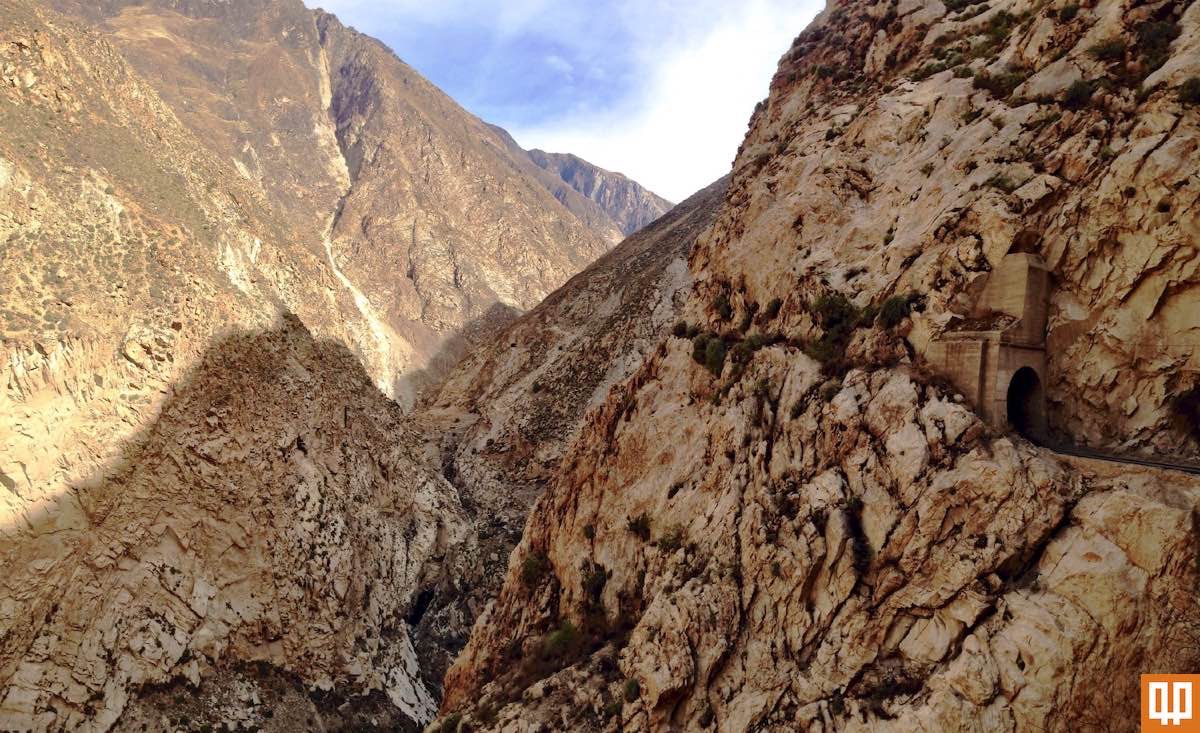
Here, the mighty Santa River has sculpted a deep, narrow passage — in some places only 12–15 m wide — flanked by walls of sheer rock soaring hundreds of meters. The stark contrast between the light granite of the Cordillera Blanca and the darker metamorphic rock of the Cordillera Negra creates intense visual drama perfect for wide, cinematic landscape shots.
Road Through the Rock
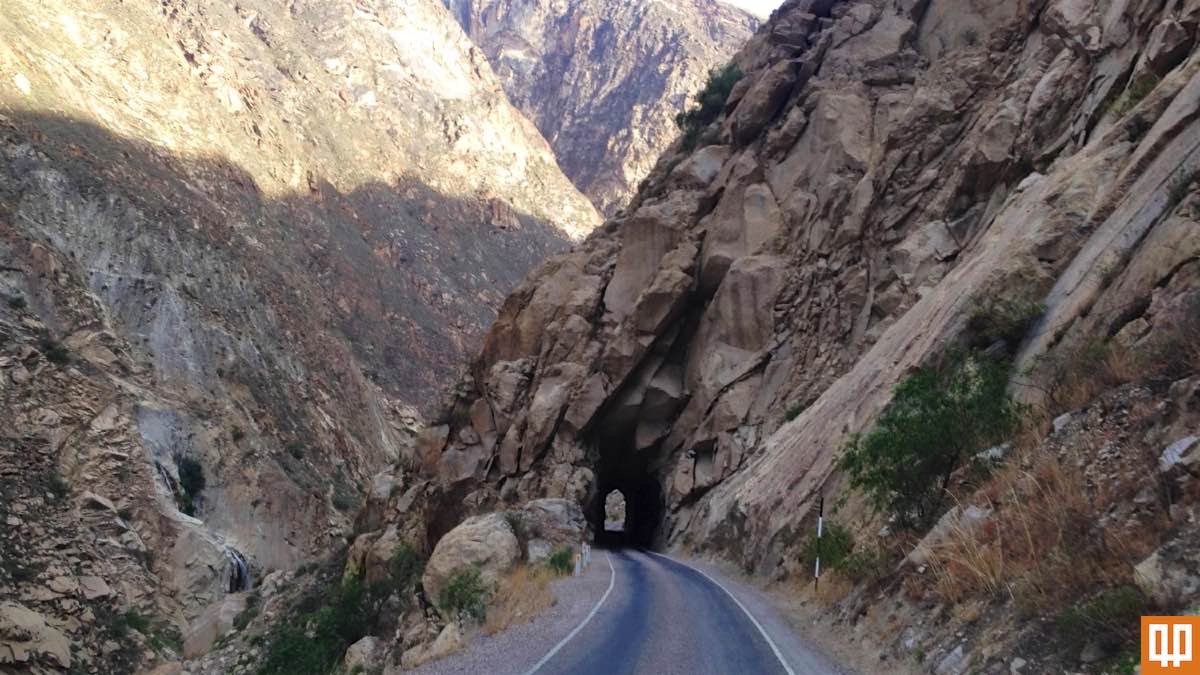
For a truly iconic Andean sequence, the Ruta PE-3N snake-backs through the canyon, carved into the cliff face and punctuated by dozens of hand-cut tunnels — often one-lane, unlit and rough hewn — that add dynamism and tension to moving vehicle footage.
Vertical Scale & Depth
The canyon drops dramatically toward the river below, with depths that can exceed 1,000 m in the narrowest stretches, offering breathtaking vertical shots and opportunities to capture both the immense scale of the terrain and the fragile human infrastructure threading between mountain ridges.
Natural Forces & Built Environment
Santa River Power
Along the canyon’s spine flows the Santa River — a powerful, fast-moving watercourse that has been harnessed at the Central Hidroeléctrica del Cañón del Pato in Huallanca. The interplay of raw river energy with engineered structures adds texture and narrative potential to environmental and industrial sequences.
Road, Rails & Adventure
The modern road follows the path of a former rail line, weaving through an astonishing 30+ tunnels cut directly into rock. The route itself — dramatic, narrow, and often shadowed by towering cliffs — can serve as a naturally cinematic corridor of suspense and exploration.
Atmosphere & Sensory Elements
-
Isolation & Scale: The canyon’s remote character and narrow confines evoke isolation and sublimity — ideal for expansive establishing shots and sequences that emphasize the immensity of nature.
-
Light & Shadow Play: Sunlight filtering into the gorge creates high contrast lighting, perfect for dramatic visuals on camera.
Filming Considerations
-
Accessibility: The canyon lies roughly 30–40 km north of Caraz in the Ancash region. While accessible by vehicle, the route’s narrow passages and single-lane rock-cut tunnels require experienced drivers and logistical planning for equipment vehicles.
-
Seasonality: The dry season (May–September) offers clearer skies and safer road conditions; rainy months can bring increased risk of rockfall and limited visibility.
-
Safety & Crew Acclimatization: At elevations near 1,800 m, crews should allow time for acclimatization, especially when transitioning from coastal or lower altitude bases like Huaraz.
Why Filmmakers Love It
Cañón del Pato delivers a primeval, almost mythic energy — where ancient geological forces, modern access routes and raw, vertical landscapes collide. Whether you’re capturing dramatic chase sequences, expansive wides, or intimate interactions with rugged nature, this canyon offers a uniquely cinematic Andean experience.